

The Hidden Crisis: Understanding Human and Child Trafficking
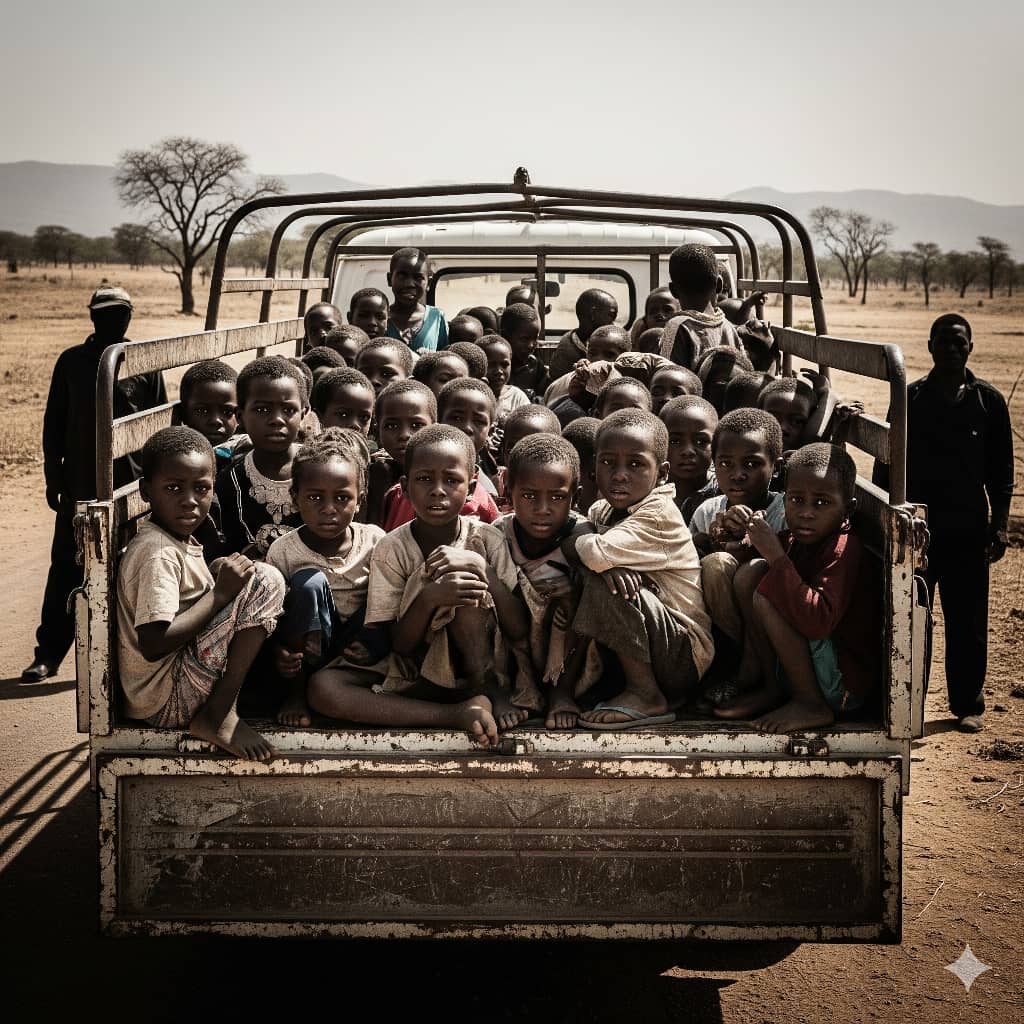
Human trafficking is a harrowing crime that continues to plague societies worldwide, exploiting the vulnerable and robbing individuals of their freedom. While human trafficking encompasses various forms of exploitation, one of the most heartbreaking forms is child trafficking. This modern-day slavery sees millions of children, from all corners of the globe, sold, manipulated, and coerced into horrific circumstances.
What is Human and Child Trafficking?
Human trafficking involves the illegal trade of people for forced labor, sexual exploitation, and other forms of abuse. While it affects men, women, and children, children are particularly vulnerable due to their dependency, lack of resources, and inexperience in recognizing or escaping dangerous situations.
Child trafficking specifically refers to the act of recruiting, transporting, or harboring children for exploitation. These children are often coerced or deceived into situations where they are forced to work in labor-intensive industries, used for child soldiering, or exploited sexually.
Why Does Child Trafficking Happen?
Trafficking does not happen in a vacuum. There are several reasons why children are trafficked:
- Poverty and Lack of Opportunity: Children from impoverished backgrounds are often seen as easy targets. Traffickers exploit the desperation of families seeking better opportunities for their children.
- Conflict and Displacement: In areas affected by war or natural disasters, children are particularly vulnerable. Displaced children, separated from their families, are often trafficked into slavery.
- Corruption and Weak Laws: In some countries, law enforcement is underfunded, and laws to protect children are either insufficient or poorly enforced. Corruption can lead to traffickers exploiting gaps in the system.
- Demand for Cheap Labor and Exploitation: From sweatshops to the sex industry, traffickers respond to the demand for cheap labor and sexual services. Tragically, children are seen as more expendable and often harder to trace.
The Tactics of Traffickers
Traffickers are often highly manipulative and use a variety of tactics to control their victims:
- Deception: Victims may be promised a better life, work opportunities, or education, only to be trafficked into forced labor or sex work.
- Coercion and Force: Some children are abducted outright or taken from their homes through threats or physical violence.
- Trauma Bonding: Traffickers often use psychological manipulation to control victims, making them believe they have no way out or that the trafficker is their only protector.
- Isolation: Children in trafficking situations are often isolated from their families and communities, making it harder for them to escape or seek help.
The Impact on Children
The consequences of trafficking on children are devastating and long-lasting:
- Physical and Emotional Trauma: Victims suffer severe physical abuse, malnutrition, and poor living conditions. Emotional scars, including anxiety, depression, and post-traumatic stress disorder (PTSD), can persist for years.
- Education and Developmental Stagnation: Trafficked children are often denied education and forced to work in environments that stunt their intellectual and emotional development.
- Loss of Innocence: Children who experience sexual exploitation often suffer lifelong psychological damage and are at risk of becoming trapped in a cycle of trauma.
Global Efforts to Combat Trafficking
Efforts to combat human and child trafficking have been increasing globally, with governments, NGOs, and international organizations working together to raise awareness, improve laws, and provide support to victims.
- Legal Reforms: Many countries have strengthened laws against trafficking, criminalizing all forms of exploitation and ensuring harsher penalties for traffickers. Some countries have even implemented specialized task forces to investigate trafficking crimes.
- Victim Support and Rehabilitation: Numerous organizations provide shelter, medical care, psychological support, and legal assistance to trafficking survivors. These services are essential to help children rebuild their lives.
- Education and Awareness: NGOs and grassroots organizations are working to educate both children and adults about the risks of trafficking. Awareness campaigns can help prevent children from falling victim to traffickers.
- International Cooperation: Organizations like the United Nations and INTERPOL have created frameworks for cross-border cooperation, helping to track and apprehend traffickers operating internationally.
What Can We Do to Help?
Combatting human and child trafficking requires a collective effort from individuals, communities, and governments. Here are some steps we can all take:
- Stay Informed: Awareness is the first step toward fighting trafficking. Educate yourself about the signs of trafficking and share this knowledge with others.
- Support Anti-Trafficking Organizations: Many NGOs rely on donations to fund their work. Consider donating or volunteering with organizations dedicated to ending human trafficking.
- Report Suspicious Activity: If you suspect that someone is being trafficked or is at risk, report it to local authorities or anti-trafficking hotlines. Your intervention could save a life.
- Advocate for Stronger Policies: Encourage your local government to support and enforce policies that protect vulnerable individuals, especially children, from trafficking.
- Be Mindful of Where You Shop: Many products, from clothes to electronics, may be made with forced labor. Support brands that prioritize ethical labor practices and avoid those with questionable supply chains.
Conclusion
Human and child trafficking is a pervasive global issue that thrives on exploitation, secrecy, and indifference. However, by raising awareness, supporting victims, and advocating for change, we can work together to bring this injustice to light and create a world where children are no longer seen as commodities to be bought and sold. The fight is far from over, but every action, no matter how small, helps to dismantle this cruel system and protect the rights of the most vulnerable among us.


