

 By
By Netherlands and Nigeria Certify Hostmanship Trainers, Launch New Cohort for Training in Europe
By Millicent Umoru
Netherlands and Nigeria Certify Hostmanship Trainers, Launch New Cohort for Training in Europe

The Departure and Repatriation Service of the Ministry of Justice, Netherlands, in collaboration with the Nigeria Immigration Service (NIS), has successfully certified Batches 6 and 7 of participants in the Hostmanship Train-the-Trainer programme. The certification ceremony marks another milestone in the ongoing partnership between the two institutions to promote professionalism, empathy, and service-oriented values in migration management.
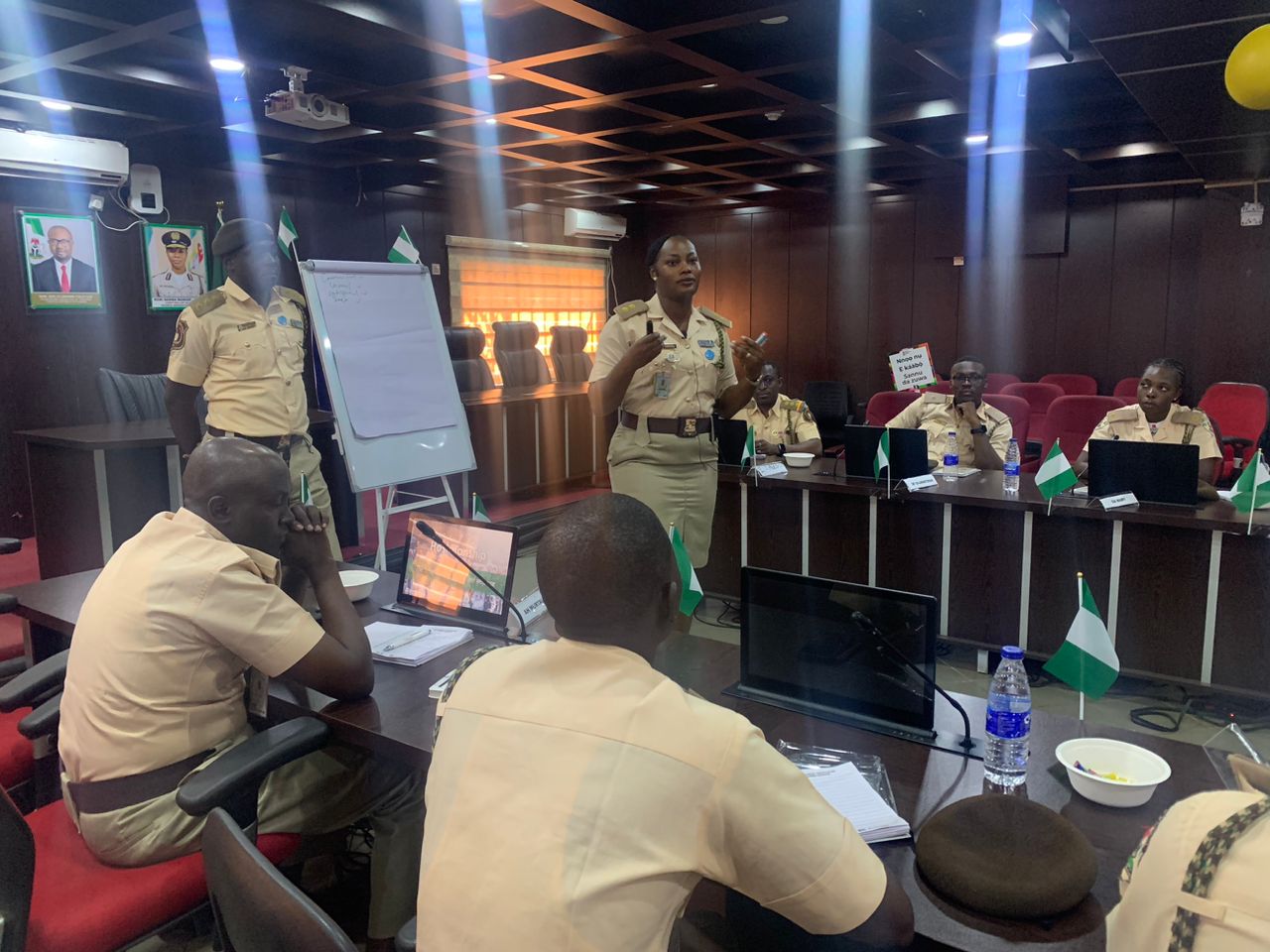
The Hostmanship initiative, which emphasizes hospitality, respect, and human dignity in service delivery, has trained several cohorts of Nigerian officers since its introduction a decade ago. With the graduation of Batches 6 and 7, more officers are now equipped to cascade the training within the NIS, ensuring that the principles of Hostmanship become embedded across the Service.

During the event, both the NIS and Netherlands leadership reaffirmed their commitment to strengthening bilateral cooperation and building the capacity of officers to manage migration in line with international best practices. Officials noted that the programme has significantly improved interpersonal communication, leadership skills, and organizational culture within the Service.
In addition to the certification, a new set of participants was formally selected to undergo the next phase of the Train-the-Trainer programme in the Netherlands. The selected officers will benefit from intensive training, exposure to European migration management practices, and hands-on mentorship. Upon their return, they will be expected to serve as multipliers, training their colleagues and embedding Hostmanship principles in day-to-day operations.

This latest development reflects the sustained collaboration between Nigeria and the Netherlands in advancing humane and efficient migration governance, while also underscoring the importance of capacity-building and knowledge exchange in public service institutions.